Who sends us episodes
A video podcast is a lot of files for one conversation. Two or three cameras, a separate track for every microphone, sometimes a guest who joined from a laptop in another city. Recording it takes an hour. Editing it into something people watch to the end takes much longer, and that is the part most hosts would rather hand off.
We work with interview shows run by one or two hosts, companies with a podcast as part of their marketing, associations and nonprofits that talk to their members, and coaches and consultants who record weekly. The recording setup varies. What they need back is mostly the same: a full episode for YouTube, an audio file for their podcast host, captions, and a handful of clips to post during the week.
Services
Full episode editing
Multi-camera switching, cut tangents and false starts, intro and outro, and a finished file for YouTube.
Short clips for social
The moments that work on their own, reframed to vertical and captioned for Reels, TikTok and Shorts.
Audio cleanup
Even voice levels, less room echo and hum, and an audio file ready for your podcast host.
Captions and transcripts
Caption files checked against the recording, burned-in captions for clips, and a clean transcript.
What the multiviewer at the top shows
The drawing at the top of this page is how a switching pass looks. Every camera plays side by side in sync. The large tile with the red border is the shot on air, the amber one is the next cut, and the meters show who is speaking. The log underneath counts the cuts and works out how long each shot holds. The aim is a pace that feels natural: the camera follows the conversation, and a reaction shot comes in when it adds something. The process page walks through every step after that.
What to send
A short brief saves a round of questions. A useful one covers:
- A shared folder link (Google Drive, Dropbox, Frame.io, WeTransfer or similar) with every camera file and every audio track
- How the episode was recorded: how many cameras, which microphones, and whether each voice has its own track
- Remote guest files if anyone joined online, ideally their local recording rather than the call capture
- What you want back: the full episode, an audio version, short clips, captions, or a mix
- Your show's intro, outro, music, logo and fonts, or a past episode whose look you want to match
- Your release date, and who approves the edit
Not sure what your setup recorded? Send the folder link and one line about the show. The quote will list anything missing.
Where we work
All editing is remote, so the files can come from any studio, office or spare room. We focus on shows in Sacramento and Richmond and book calls in your local time.
Sacramento, CA
Video podcast editing for Sacramento hosts, companies and member groups.
Richmond, VA
Video podcast editing for Richmond hosts, companies and member groups.
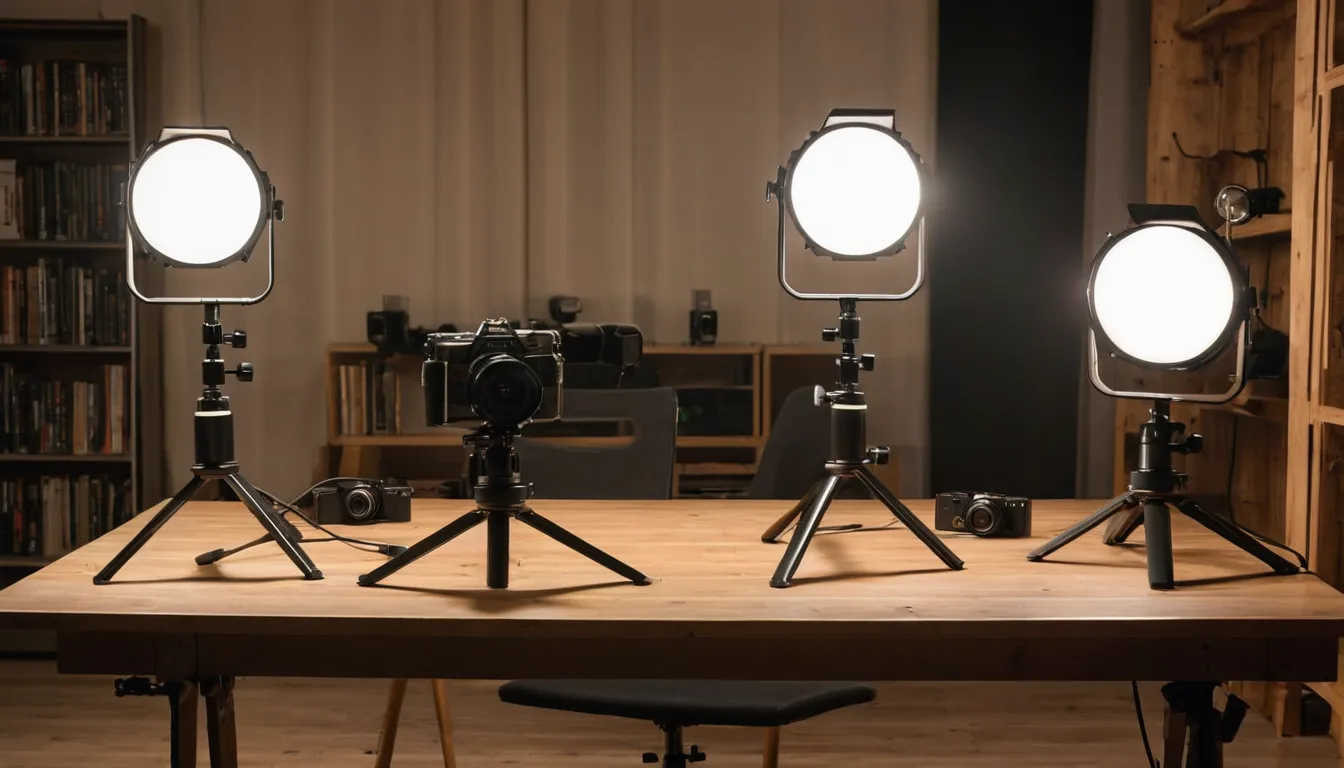
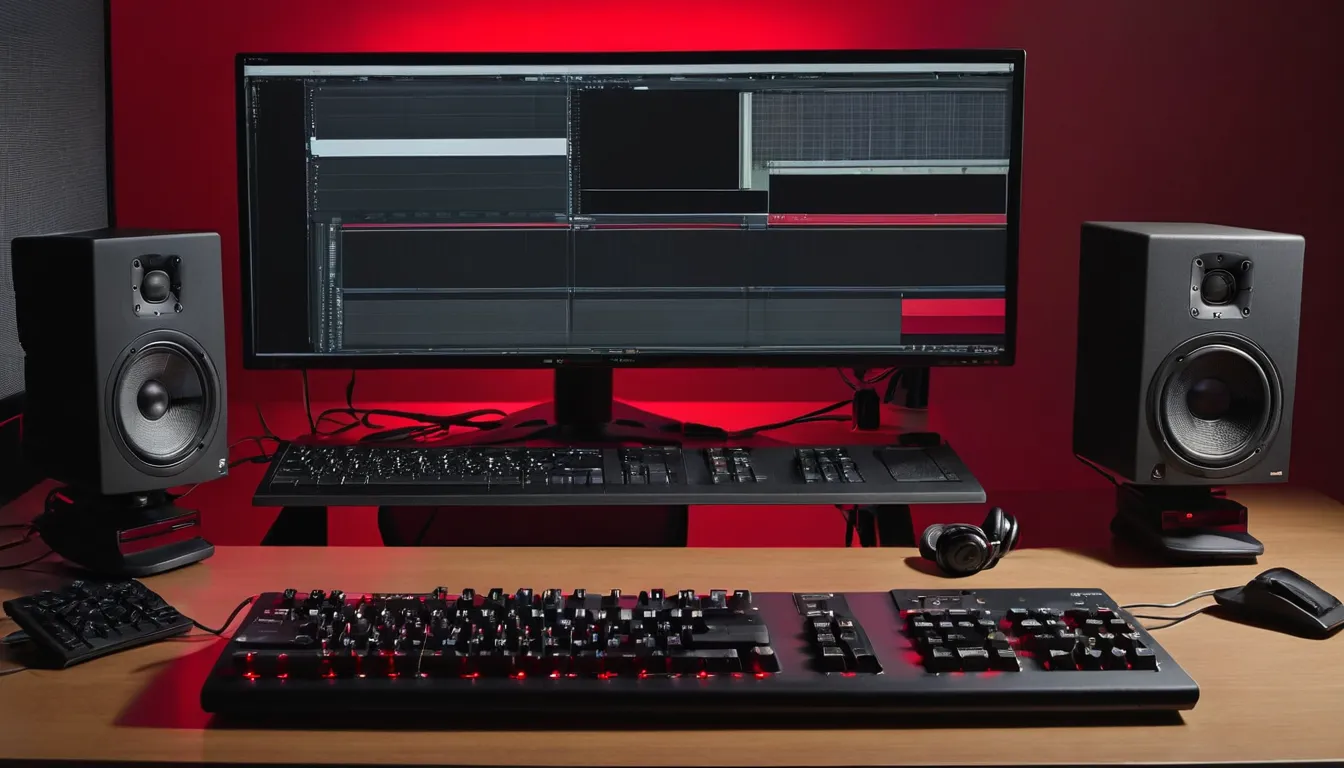
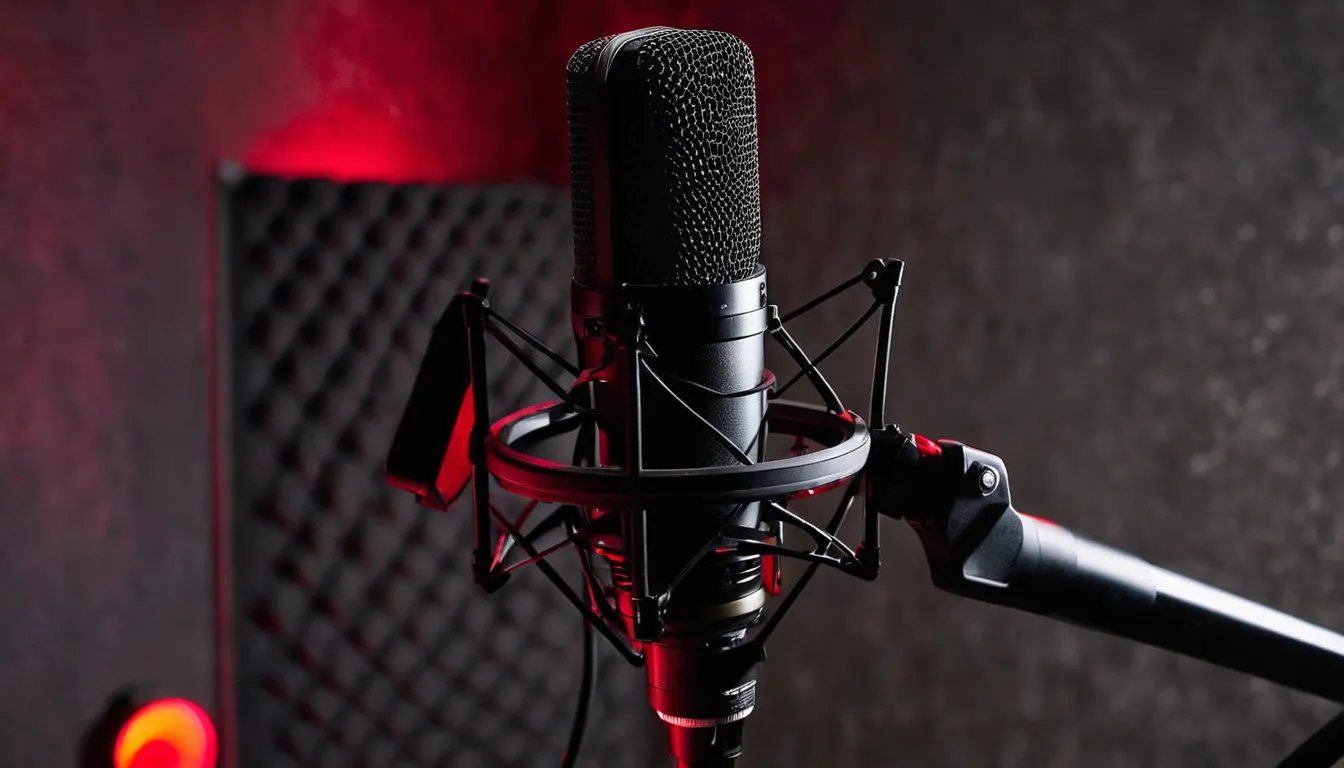
What finished podcast setups look like
Common questions
How much does podcast editing cost?
It depends on the episode length, how many cameras and audio tracks there are, how much the sound needs fixing, and how many clips and caption files you want. We quote each episode or series in writing after checking the files, so you know the cost before work starts.
We only have one camera. Is that a problem?
No. A single wide shot can be punched in to make a close-up of each speaker, so the edit still has variety. It works best when the camera recorded in 4K and both people are well lit.
Can you edit a weekly show?
Yes. We set the intro, outro, caption style and clip format once, then reuse them, so every episode matches and each new one is quick to brief.
Are the images on this site real projects?
No. The stills are AI-generated samples, and the multiviewer drawings are illustrations made for this site. We don't publish client episodes without permission.
Episode recorded and waiting? Tell us how many cameras you ran, how long the episode is, and what you want back: the full show, clips or both.
Request a quote